Algorithmic Foundations of Rapid Onboarding and Predictive Adjustments in UK Digital Wagering Platforms
Written by Harper Zimmermann · Jun 26, 2026
Algorithmic Foundations of Rapid Onboarding and Predictive Adjustments in UK Digital Wagering Platforms
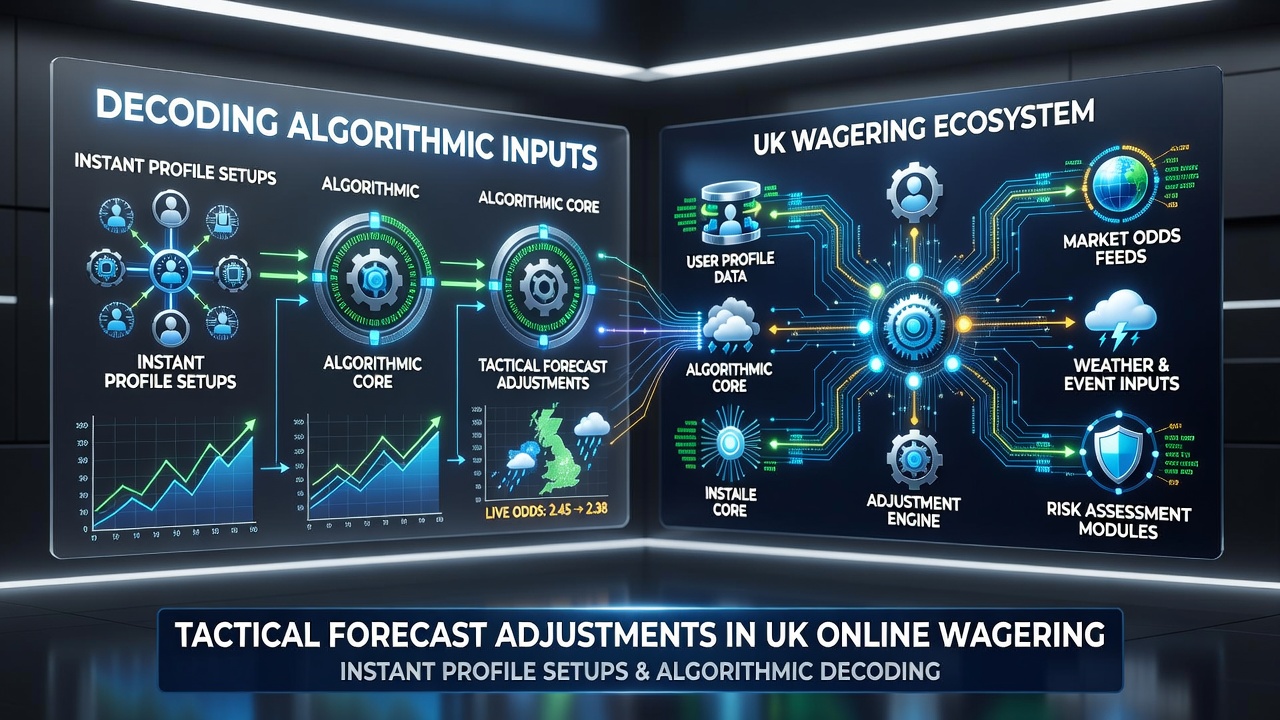
UK online wagering relies on intricate algorithmic systems that handle everything from swift account creation to ongoing forecast refinements, and these processes draw on multiple data streams including user verification signals, market fluctuations, and historical performance metrics. Platforms process registration details through automated checks that cross-reference identity documents against public records while simultaneously evaluating device fingerprints and behavioral patterns to complete setups in seconds rather than minutes. Observers note that such instant profile mechanisms often integrate machine learning classifiers trained on millions of prior interactions, allowing systems to flag anomalies without human intervention and thereby maintain compliance with evolving regulatory standards.
Data Inputs Driving Instant Profile Activation
Algorithmic inputs for rapid onboarding typically encompass biometric elements, address validation APIs, and payment processor integrations that operate in parallel rather than sequentially. Research indicates that in June 2026 several major operators updated their verification layers to incorporate enhanced facial recognition models capable of handling variable lighting conditions during mobile uploads, which reduced average setup times across the sector. Those who study these systems point out that external data feeds from credit bureaus and electoral rolls feed directly into risk-scoring engines, while internal databases track repeat device usage to prevent duplicate accounts. What's interesting is how these inputs combine: a single registration might trigger simultaneous queries to government identity services, banking partners, and geolocation databases, with the final approval resting on weighted scores rather than binary thresholds.
Industry reports from the American Gaming Association highlight similar verification efficiencies in other markets, yet UK platforms distinguish themselves through tighter integration with real-time anti-money laundering protocols. Data shows that algorithmic models adjust their sensitivity thresholds dynamically based on peak traffic periods, such as major football weekends, to balance speed against security without creating bottlenecks. Take one case where experts examined deployment logs from a leading operator: the system rerouted high-risk registrations to secondary review queues while clearing low-risk ones in under eight seconds, demonstrating clear separation of processing paths.
Real-Time Feeds and Tactical Forecast Refinements
Once profiles activate, algorithmic frameworks shift focus to forecast adjustments that respond to live event data. These systems ingest inputs from multiple sources including official league statistics, player tracking sensors, weather services, and social sentiment analysis derived from public posts. According to findings published by the University of Melbourne's gambling studies program, models trained on five years of Premier League data achieved measurable improvements in outcome probability estimates when they incorporated granular in-game metrics such as expected goals and pass completion rates under fatigue conditions.
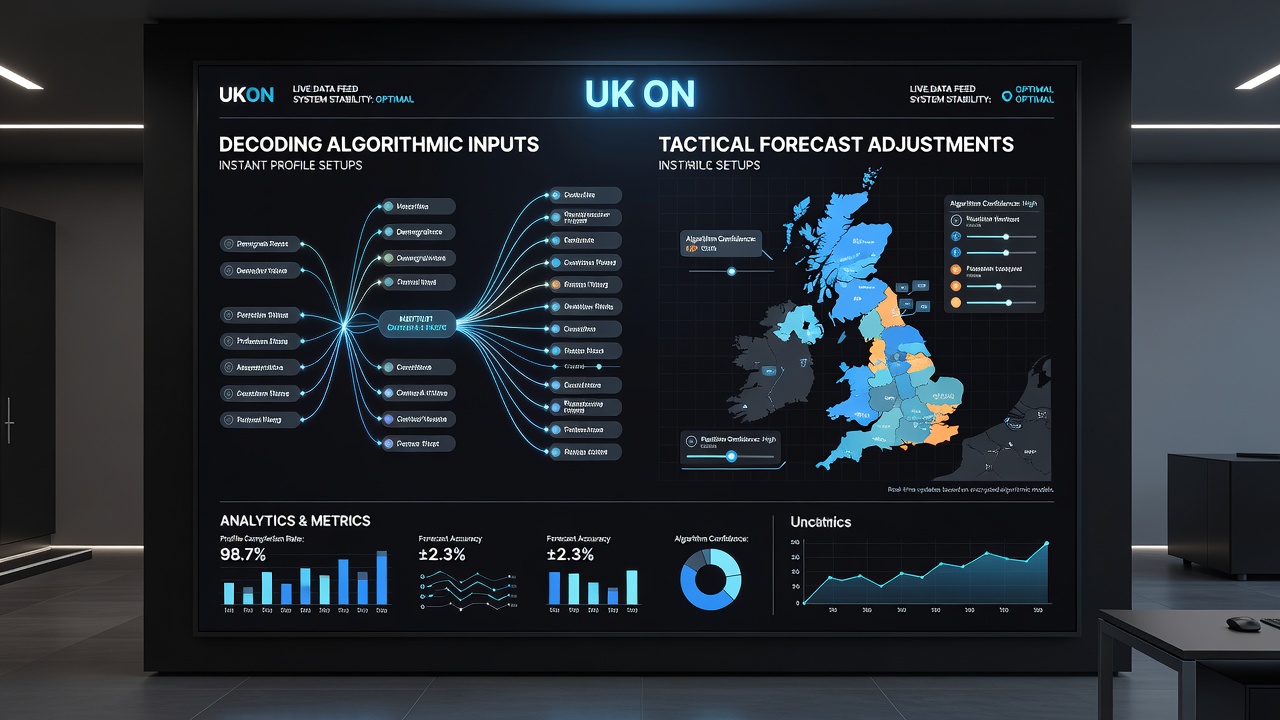
Forecast engines recalculate probabilities at intervals as short as every thirty seconds during matches, using Bayesian updating techniques that treat new information as incremental evidence rather than complete resets. Observers have documented how these adjustments manifest on user interfaces as shifting odds that reflect not only score changes but also tactical substitutions or injury reports emerging mid-game. The reality is that operators maintain separate pipelines for pre-match and in-play predictions, with the latter drawing heavier weight from sensor-derived inputs to capture momentum shifts invisible to traditional box-score analysis.
Integration of External Data Sources and Model Training
External links play a critical role in maintaining model accuracy. Platforms routinely pull structured data from organizations such as the Responsible Gambling Council of Canada on behavioral risk indicators, which then inform both profile risk scoring and forecast weighting for responsible play prompts. Academic papers from the National Bureau of Economic Research further reveal that ensemble methods combining gradient-boosted trees with neural networks outperform single-model approaches when handling the noisy, high-velocity data typical of live wagering environments. Those who've studied deployment patterns note that retraining cycles often occur weekly during the football season, incorporating fresh match data to prevent drift in prediction quality.
June 2026 saw several UK operators pilot hybrid models that blend traditional statistical baselines with reinforcement learning agents capable of simulating thousands of game scenarios in milliseconds. These agents test forecast robustness against edge cases such as red cards or weather interruptions, then feed confidence intervals back into the main odds engine. Figures from sector analyses indicate that such layered approaches reduced variance in live betting margins during high-profile events compared with earlier static models.
Security Layers and Compliance Mechanisms
Security algorithms operate alongside prediction systems to monitor account activity post-setup. Pattern recognition modules scan for unusual betting volumes or correlated wagers across linked profiles, triggering automated alerts when thresholds are crossed. Data from the Nevada Gaming Control Board on cross-jurisdictional technology transfers shows that similar monitoring frameworks have been adapted for UK use, particularly in handling cryptocurrency deposits that require additional blockchain analysis layers. The ball's in the operators' court to ensure these security inputs do not slow down the core user experience, which is why most systems run parallel rather than serial checks.
Conclusion
Algorithmic architectures in UK online wagering continue to evolve through tighter coupling of verification pipelines and forecast engines, with data inputs from diverse external sources enabling both speed and precision. As June 2026 developments demonstrated, ongoing refinements in model training and real-time integration support platforms that deliver rapid account activation while maintaining adaptive prediction capabilities across multiple sports and event types. Those monitoring the sector expect further convergence between security protocols and forecasting logic as data volumes grow and regulatory expectations shift.