Charting Verification Pathways and Data Pipeline Integration for British Wagering Platforms
Written by Yara Richter · Jun 12, 2026
Charting Verification Pathways and Data Pipeline Integration for British Wagering Platforms
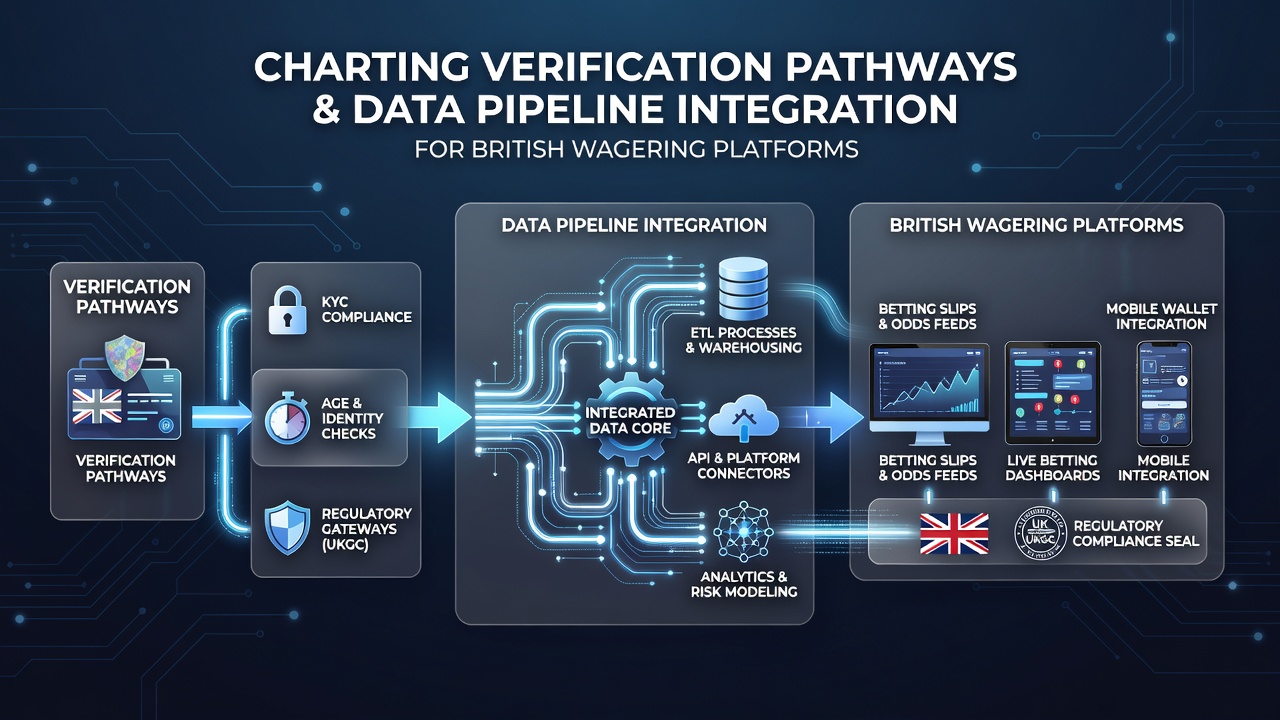
British wagering platforms rely on structured verification pathways that combine identity checks, age confirmation, and address validation before users gain access to betting services, and these pathways connect directly to data pipelines that handle real-time transaction monitoring along with compliance reporting. Operators build these systems to process incoming user data through sequential stages where initial document uploads feed into automated matching algorithms, while subsequent manual reviews address any flagged discrepancies, and all steps generate logs that flow into centralized databases for audit trails.
Data pipeline integration begins at the point of user registration where form inputs trigger API calls to external verification providers, and this setup allows platforms to pull records from credit bureaus or government registries without storing sensitive details on local servers. The process continues as verified profiles activate betting accounts, at which stage transaction data streams into analytics engines that track deposit patterns, withdrawal requests, and bet volumes, and these flows support risk scoring models that update continuously throughout each session.
Building Verification Pathways
Verification pathways typically follow a tiered structure where basic checks occur first through electronic identity services that compare submitted details against national records, and elevated scrutiny applies when activity thresholds are crossed such as large deposits or rapid withdrawals. Observers note that platforms coordinate these tiers with biometric options including facial recognition scans that match live images to identity documents, while device fingerprinting adds another layer by identifying repeat access attempts from the same hardware.
Those who've studied implementation patterns find that successful pathways reduce false positives by incorporating machine learning classifiers trained on historical approval data, and this approach lets systems adapt to emerging fraud tactics without requiring constant rule updates. Integration points between verification modules and core account systems ensure that once a user clears checks, profile status updates propagate instantly to prevent access delays during peak betting periods.
Data Pipeline Architecture
Data pipelines in these environments use event-driven architectures where changes in user status or betting activity publish messages to message queues, and downstream consumers such as compliance dashboards or odds adjustment engines subscribe to relevant topics. This design supports scalability because additional processing nodes can attach during high-traffic events like major sporting tournaments, while batch jobs handle nightly reconciliation of financial records against verification logs.
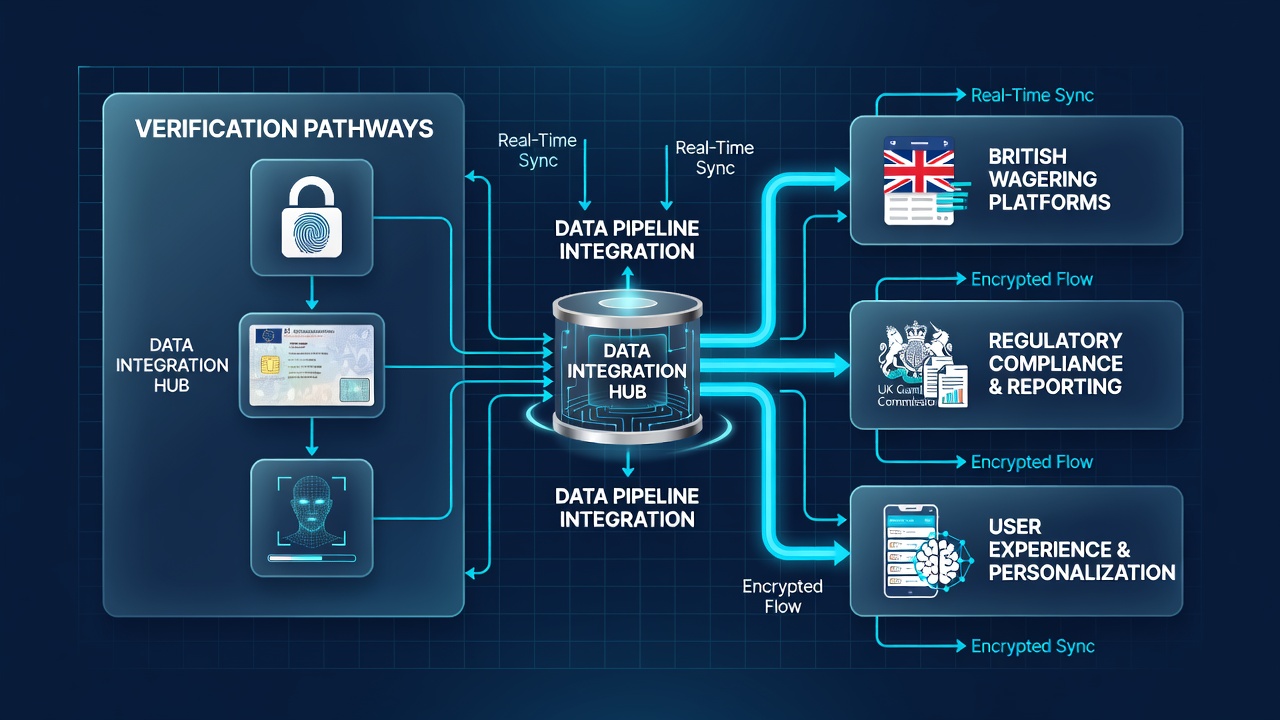
Researchers at academic institutions have examined how these pipelines maintain data integrity through encryption at rest and in transit, along with versioning that records every transformation applied to raw inputs. One study revealed that platforms achieve sub-second latency for verification status queries by caching recent results in memory layers positioned between the main pipeline and front-end applications, and this setup proves essential when operators must respond to simultaneous login attempts across multiple devices.
Regulatory Context and June 2026 Developments
According to guidance issued by the Australian Communications and Media Authority, wagering operators benefit from standardized data schemas that facilitate cross-border information sharing for multi-jurisdiction users, and British platforms have adopted similar formats to streamline their own compliance workflows. Figures from industry reports indicate that integrated pipelines lower operational costs by consolidating separate verification and reporting systems into unified flows, and this consolidation becomes particularly relevant as new technical standards take effect around June 2026.
Those preparing for the June 2026 timeline have begun mapping existing verification sequences against upcoming requirements for enhanced data portability, which will allow users to request transfer of their activity histories between licensed operators. Pipeline designs that already separate personal identifiers from behavioral analytics make these transfers simpler because only non-sensitive aggregates need extraction while core records remain protected.
Case Examples in Practice
Take one operator that synchronized its verification pathway with a cloud-based data pipeline and achieved measurable reductions in account approval times, and the same integration enabled automated generation of regulatory submissions without manual data exports. There's this case where experts found that connecting biometric verification outputs directly to fraud detection models flagged suspicious patterns earlier in the user lifecycle, and this early detection prevented downstream issues in payment processing stages.
People who've implemented these systems often discover that testing pipeline resilience under simulated load conditions reveals bottlenecks at the verification-to-transaction handoff points, and addressing those bottlenecks involves adding parallel processing lanes for high-priority checks. Data shows that platforms maintaining detailed lineage tracking within their pipelines can trace any output report back to the original verification event, which supports both internal audits and external reviews.
Conclusion
Charting verification pathways alongside data pipeline integration reveals how British wagering platforms maintain operational continuity while meeting technical and compliance demands, and the connections between these elements grow more refined as platforms prepare for mid-2026 updates. The factual patterns observed across multiple operators demonstrate that modular designs with clear data flows deliver consistent performance even as user volumes and regulatory expectations continue to shift.