Integrated Platform Architectures in UK Betting: Linking Instant Onboarding to Adaptive Odds Engines
Written by Casey Schmidt · Jul 31, 2026
Integrated Platform Architectures in UK Betting: Linking Instant Onboarding to Adaptive Odds Engines
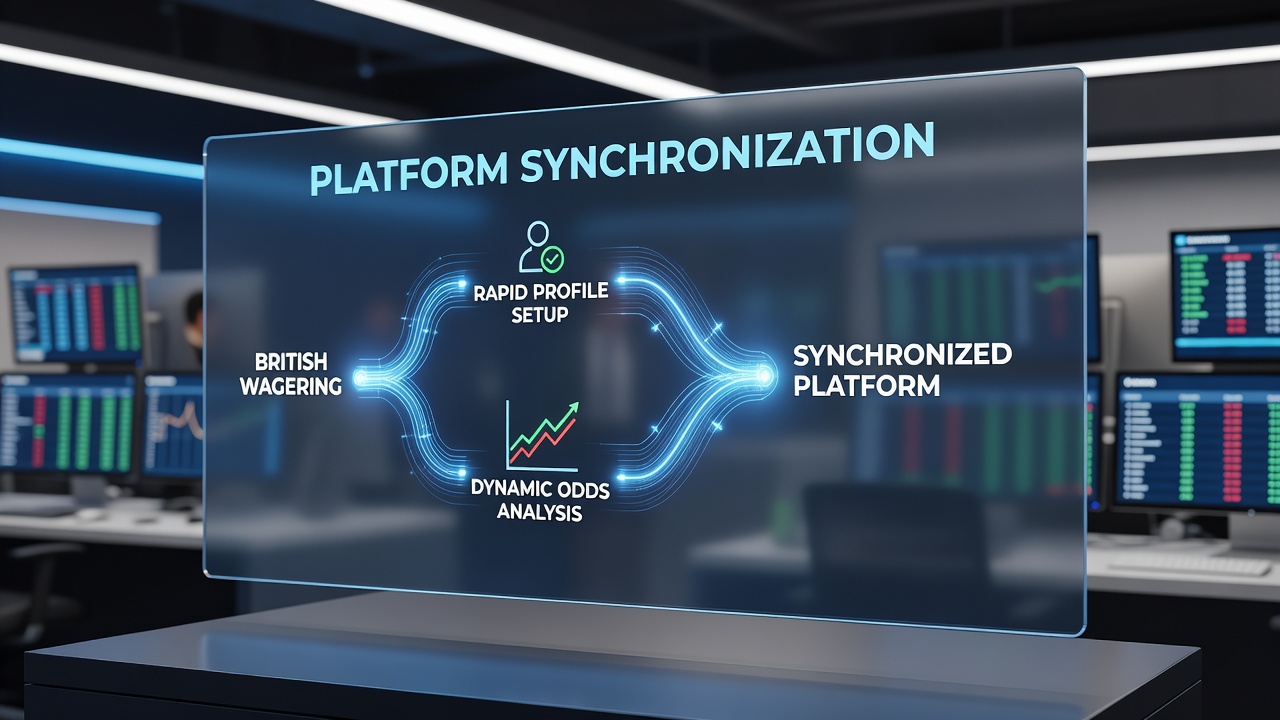
Platform synchronization in British wagering has evolved into a core operational requirement as operators seek to connect rapid profile setup processes directly with dynamic odds analysis systems, and observers note that this integration allows betting sites to deliver real-time adjustments based on incoming user data streams while maintaining compliance with regional standards.
Core Components of Profile Setup Integration
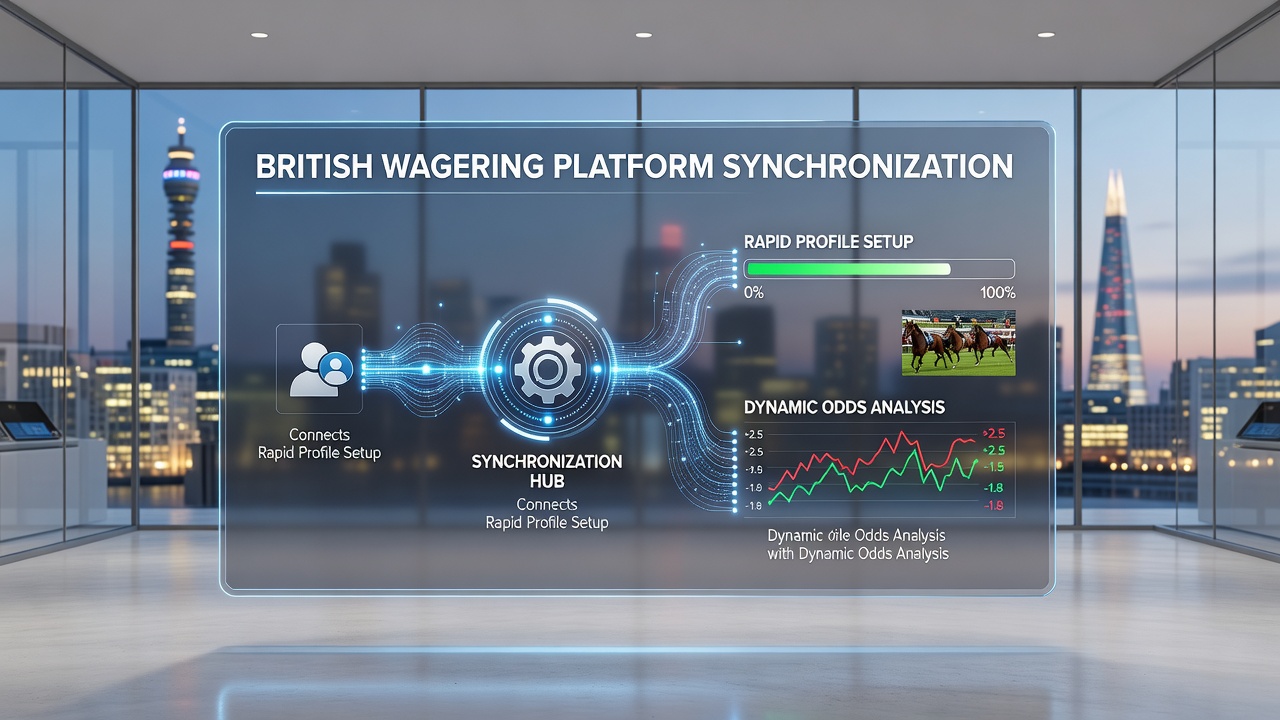
Account creation modules now incorporate API endpoints that feed directly into odds calculation engines, which means a new user profile triggers immediate data pulls from verification services and risk assessment databases, and this connection reduces latency between registration completion and the display of personalized odds feeds. Data from industry reports shows that such synchronized systems handle thousands of simultaneous onboarding events during peak periods like major sporting events scheduled for July 2026, while algorithms adjust probability models based on aggregated user behavior patterns collected in those first moments.
Verification layers synchronize with external identity providers through secure protocols, and once a profile activates, the system initiates odds analysis pipelines that factor in location-based restrictions alongside historical betting trends from similar demographics. Those who've studied these architectures observe that the process typically completes within seconds, allowing platforms to present tailored markets without separate manual interventions.
Dynamic Odds Analysis Mechanisms
Odds engines rely on continuous data ingestion from multiple sources including market movements, statistical models, and live event feeds, yet synchronization ensures that newly created profiles inherit the latest analytical outputs rather than static defaults. Research indicates that platforms using these linked systems achieve more precise margin controls because profile attributes such as deposit history and preferred markets update the analytical models in real time.
One notable development involves machine learning modules that correlate onboarding speed metrics with subsequent betting activity, and figures from European gaming associations reveal measurable improvements in user retention when this synchronization operates without interruption. During periods of high activity expected around July 2026 tournaments, the combined infrastructure processes variable inputs ranging from weather data for outdoor events to player injury reports, all routed through the same synchronized channels that handled initial profile validation.
Technical Pathways Connecting Setup and Analysis
Developers implement event-driven architectures where profile completion events publish messages to message queues that odds services subscribe to, and this setup allows for immediate recalculation of available markets without polling delays. Studies from research institutions such as those affiliated with European gaming trade groups highlight how these pathways maintain data consistency across distributed servers, particularly when handling regional variations in British wagering regulations.
Security protocols wrap these exchanges to prevent unauthorized access during the handoff from verification to analysis stages, while encryption standards ensure that personal details remain isolated from the broader odds computation layers. Observers note that platforms adopting this model report fewer discrepancies between advertised odds and actual settlement figures because the analytical engines receive fresh profile context from the moment of activation.
Operational Impacts Across British Markets
Market operators in the UK have documented efficiency gains when profile setup and odds systems operate as unified components rather than separate silos, and data shows reduced error rates in market pricing during volatile periods. Industry organizations track these improvements through metrics such as average time from registration to first market view, which continues to decline as synchronization matures.
What's interesting is how external data partnerships enhance this integration, with platforms pulling from academic research on behavioral analytics to refine odds models based on new user cohorts established through rapid onboarding. A report issued by Canadian regulatory bodies on similar systems demonstrates parallel benefits in cross-border operations that influence UK practices.
Future Developments Expected by Mid-2026
By July 2026, further refinements in synchronization protocols are projected to incorporate advanced predictive elements that anticipate user preferences during the profile creation phase itself, and this would allow odds analysis to begin generating customized scenarios even before full verification completes. Those monitoring the sector point to ongoing trials where blockchain elements provide immutable records of the data flows between setup and analysis modules, thereby strengthening audit capabilities.
Continued collaboration between technology providers and regulatory frameworks outside the UK, such as those in Australia, supplies additional models for maintaining synchronization under varying compliance demands while preserving the speed of profile activation.
Conclusion
Platform synchronization that connects rapid profile setup with dynamic odds analysis forms an essential backbone for contemporary British wagering operations, and evidence from multiple sources confirms its role in supporting efficient, compliant market delivery. As technical standards advance through 2026, these integrated pathways are expected to underpin further expansions in real-time betting capabilities across the sector.