Tracing the Threads: Profile Activation Processes and Live Pipeline Integrations in UK Wagering Platforms
Written by Harper Zimmermann · Jul 10, 2026
Tracing the Threads: Profile Activation Processes and Live Pipeline Integrations in UK Wagering Platforms
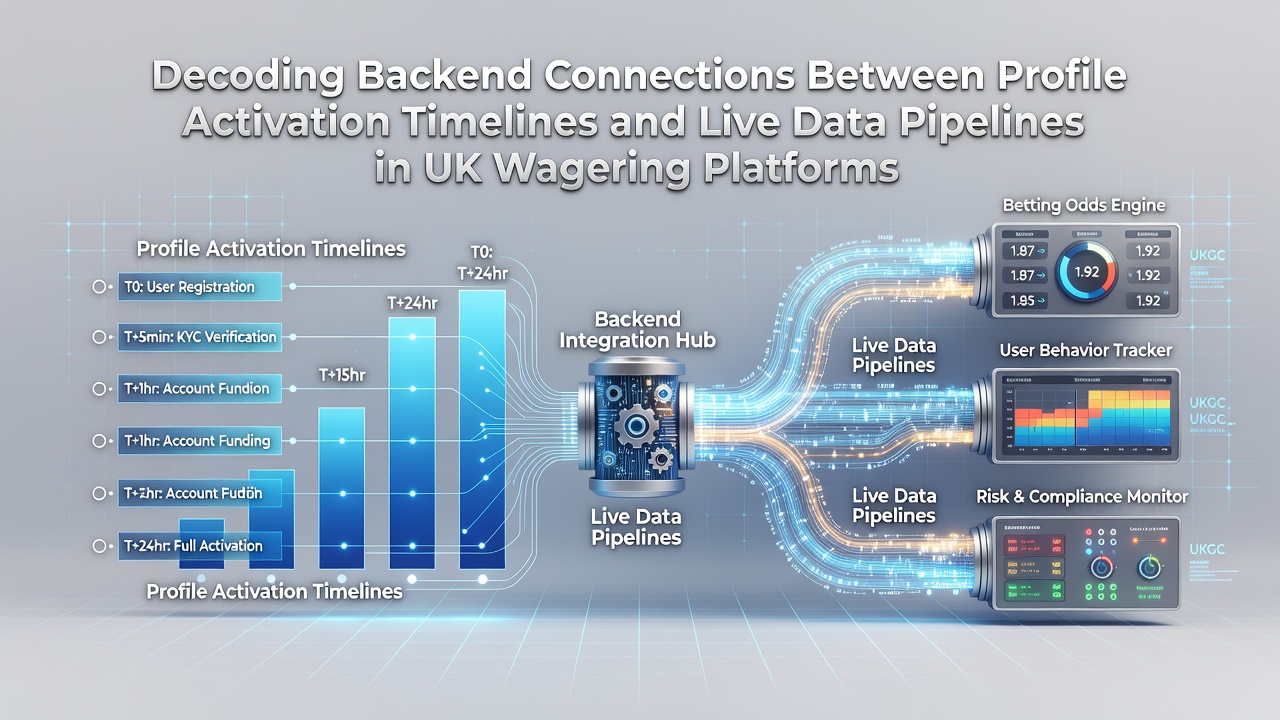
UK wagering platforms rely on intricate backend architectures where profile activation timelines intersect directly with live data pipelines, and these connections determine how quickly users gain access to real-time betting environments. Data flows from account verification systems into centralized databases that feed odds engines, market updates, and in-play feeds, while delays at any activation stage can disrupt synchronization across multiple services.
Profile Activation Timelines and Their Backend Foundations
Account creation processes in these platforms typically involve sequential steps that include identity verification, payment method linkage, and regulatory compliance checks, yet the duration of each phase varies based on integration depth with external data providers. Researchers have documented how automated systems pull records from credit agencies and government databases in parallel, which shortens overall timelines when connections remain stable, but network latency or verification queue spikes extend them significantly.
Backend logs reveal that activation often completes within minutes during off-peak hours, whereas peak periods stretch this to hours because authentication servers handle concurrent requests from thousands of new registrations. Observers note that platforms using microservices architectures isolate these processes more effectively than monolithic setups, allowing independent scaling of verification modules without halting data pipeline initialization.
Live Data Pipelines: Structure and Real-Time Demands
Live data pipelines transport odds, event statistics, and market movements from external providers into platform interfaces through high-throughput message queues and API gateways. These systems process streams continuously, updating user-facing applications with sub-second latency to support in-play wagering, and they depend on clean handoffs from user profile databases that confirm eligibility before granting pipeline access.
Figures from industry reports indicate that data ingestion rates can exceed 10,000 updates per minute during major events, requiring robust buffering mechanisms to prevent drops when activation backlogs coincide with high-volume traffic. Experts have observed that pipeline monitoring tools flag discrepancies when newly activated profiles attempt to query feeds before full database replication finishes, which triggers fallback protocols to maintain system integrity.
Integration Points Between Activation and Pipelines
Connections form at several layers, including shared authentication tokens that activate upon profile completion and then authorize pipeline queries, along with event-driven triggers that push profile status changes into data routing layers. When a user completes verification, the system publishes a message to a queue that downstream services consume to unlock personalized feeds, ensuring that live odds reflect only permitted markets based on location and account status.
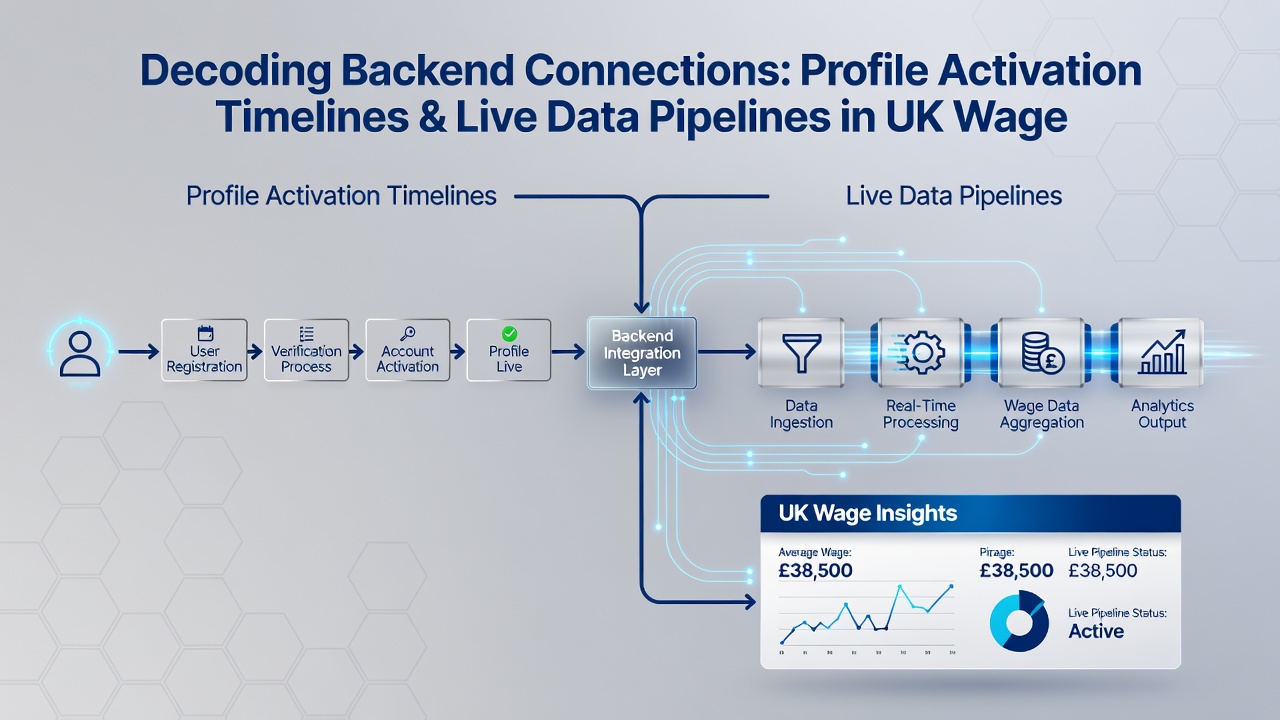
Yet synchronization issues arise when activation timelines lag behind pipeline refresh cycles, forcing temporary restrictions on certain data streams until consistency checks pass. Studies from academic institutions have examined these patterns and found that platforms employing event sourcing maintain better audit trails, allowing rapid rollback if a profile activation fails midway through data linkage.
Developments Observed Around Mid-2026
By July 2026, several UK platforms implemented enhanced container orchestration for backend services, which reduced average activation-to-pipeline handoff times by optimizing resource allocation during concurrent loads. Reports from international research bodies such as the Australian Gambling Research Centre highlight similar architectural shifts elsewhere, noting that parallel processing of verification and data provisioning yields measurable gains in operational resilience.
Additional updates included tighter encryption standards on inter-service communications, which added minor overhead to activation sequences but strengthened pipeline security against interception attempts. Data indicates these measures aligned with broader European regulatory frameworks that emphasize secure data handling without mandating specific timelines, leaving room for platform-specific optimizations.
Case Examples from Platform Operations
One documented instance involved a major operator that experienced activation delays during a high-profile football tournament, where live data pipelines continued updating independently yet restricted new profiles from accessing them until full replication occurred. Technicians traced the bottleneck to a shared database lock that resolved after implementing sharded storage, and subsequent monitoring showed reduced variance in connection success rates.
Another example surfaced when an esports betting provider integrated third-party verification APIs, resulting in faster profile timelines that fed directly into customized pipeline segments for niche markets. Observers documented how this change allowed real-time data to reach users within tighter windows, though initial testing revealed occasional mismatches that required additional validation layers.
Conclusion
The backend connections between profile activation timelines and live data pipelines form a critical infrastructure layer in UK wagering platforms, where timing mismatches can affect data availability and system performance. Research continues to explore optimization strategies that maintain compliance while supporting growing volumes of real-time interactions, and developments through 2026 demonstrate ongoing refinements in orchestration and security practices. These systems evolve through incremental adjustments that balance speed, accuracy, and regulatory requirements across diverse operational scenarios.