Wiring the Bets: How UK Gambling Profiles Link Bettors to Real-Time Odds and Tactical Match Calls
Written by Yara Richter · Sep 2, 2026
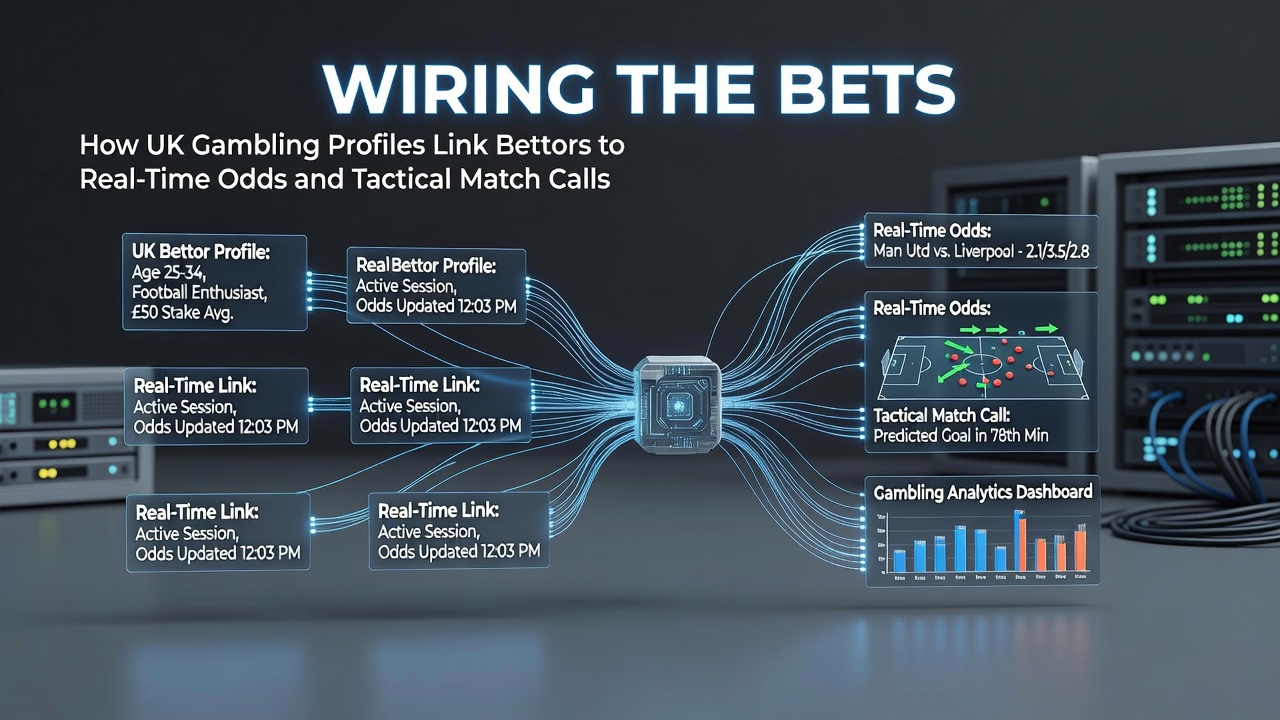
Wiring the Bets: How UK Gambling Profiles Link Bettors to Real-Time Odds and Tactical Match Calls
UK gambling platforms connect user profiles directly to live data streams that update odds within seconds of on-field events, and this linkage shapes how bettors adjust wagers mid-match. Profiles store verified details including betting history, preferred markets, and account balances, while backend systems pull real-time feeds from data providers and route them to personalised interfaces. Those who have examined the infrastructure note that the connection allows tactical decisions such as cashing out or placing in-play bets without separate logins or manual refreshes.
Profile Architecture and Data Routing
Each registered account functions as a central node that receives continuous odds updates from multiple sportsbooks and exchanges, and operators maintain these connections through APIs that authenticate the profile before pushing new figures. Data indicates that verification steps completed during signup enable seamless access to live markets across football, tennis, and horse racing, while session tokens keep the link active even as odds fluctuate. Observers note that this architecture reduces latency because the profile already holds location checks and payment details, so the system can focus on delivering updated probabilities rather than re-authenticating every request.
Real-Time Odds Integration Mechanisms
Live odds arrive through dedicated pipelines that aggregate information from stadium sensors, official timing systems, and statistical models, and the profile routes these figures to the bettor's dashboard based on stored preferences. Figures from industry reports show that average update intervals sit between two and five seconds for major leagues, while less prominent events may take slightly longer. The connection works because the profile carries risk parameters that filter which odds appear first, so a user who previously bet on over/under totals sees those markets highlighted without scrolling through unrelated options.
Tactical Match Calls Enabled by Profile Links
In-play betting relies on the same profile-to-odds pathway to let users respond to momentum shifts, and tactical calls such as increasing stakes on a trailing team or hedging an earlier wager happen directly inside the active session. Researchers at the Gambling Research Australia have documented how stored profile data allows platforms to pre-load relevant markets, cutting the time between spotting an opportunity and confirming a bet. During September 2026, several operators plan to roll out enhanced profile features that include predictive prompts based on past in-play patterns, further tightening the loop between observation and action.
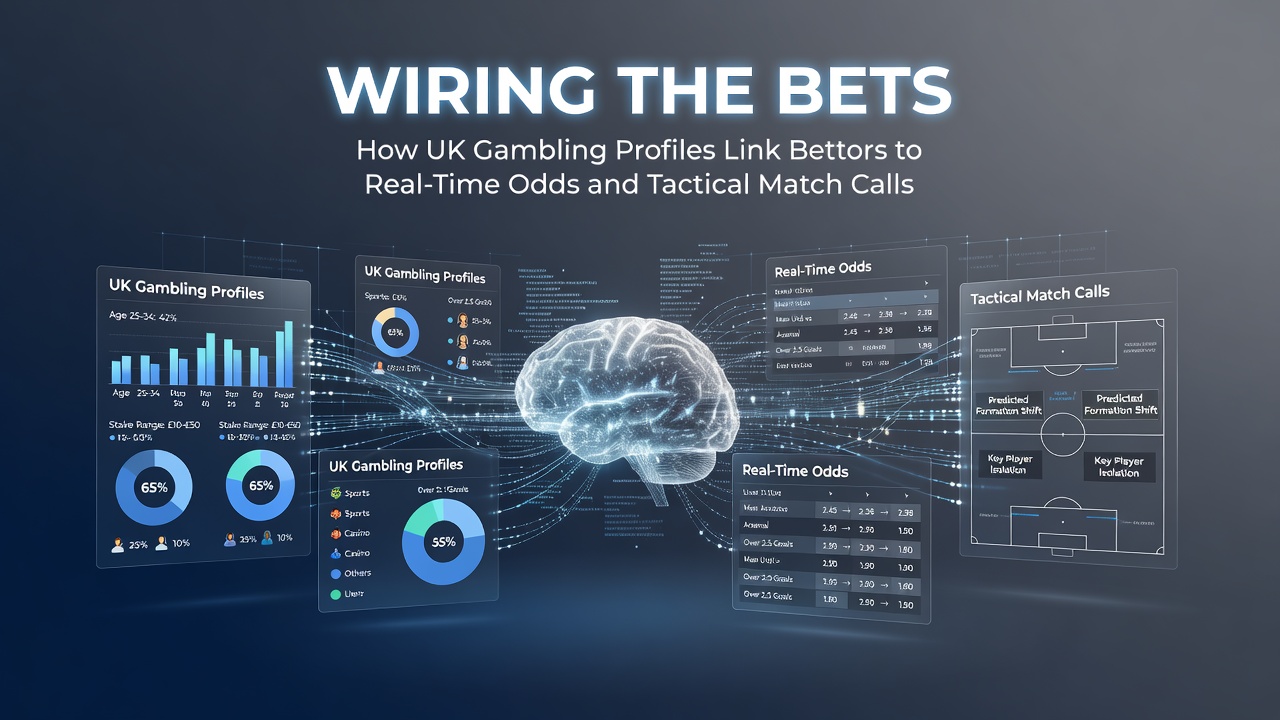
Take one case where a profile registered for Premier League matches receives immediate adjustments after a red card, and the bettor can place a new wager on the next goalscorer while the odds are still moving. The system achieves this because the profile maintains an open connection to the odds engine, bypassing the need to reload pages or switch applications. Those who've studied transaction logs find that such rapid responses correlate with higher volumes of in-play activity compared with accounts that lack persistent profile links.
Security and Compliance Layers
Profile connections incorporate encryption and geo-fencing protocols that satisfy requirements set by bodies outside the UK, including the National Council on Problem Gambling guidelines on responsible data handling. These measures ensure that live odds reach only verified accounts, and any unusual activity triggers additional checks before further bets are accepted. The same profile that delivers fast odds also logs every transaction, creating an audit trail that regulators can review without needing separate data requests from operators.
Conclusion
UK gambling profiles serve as the wiring that joins bettors to real-time odds and the tactical decisions those odds support during matches. The architecture relies on authenticated sessions, fast data feeds, and stored preferences to keep information flowing without interruption, and upcoming developments scheduled around September 2026 aim to refine these connections further. Data from multiple sources shows that the linkage improves response times while maintaining the compliance layers required by international standards.